
What to consider when choosing a fabric structure
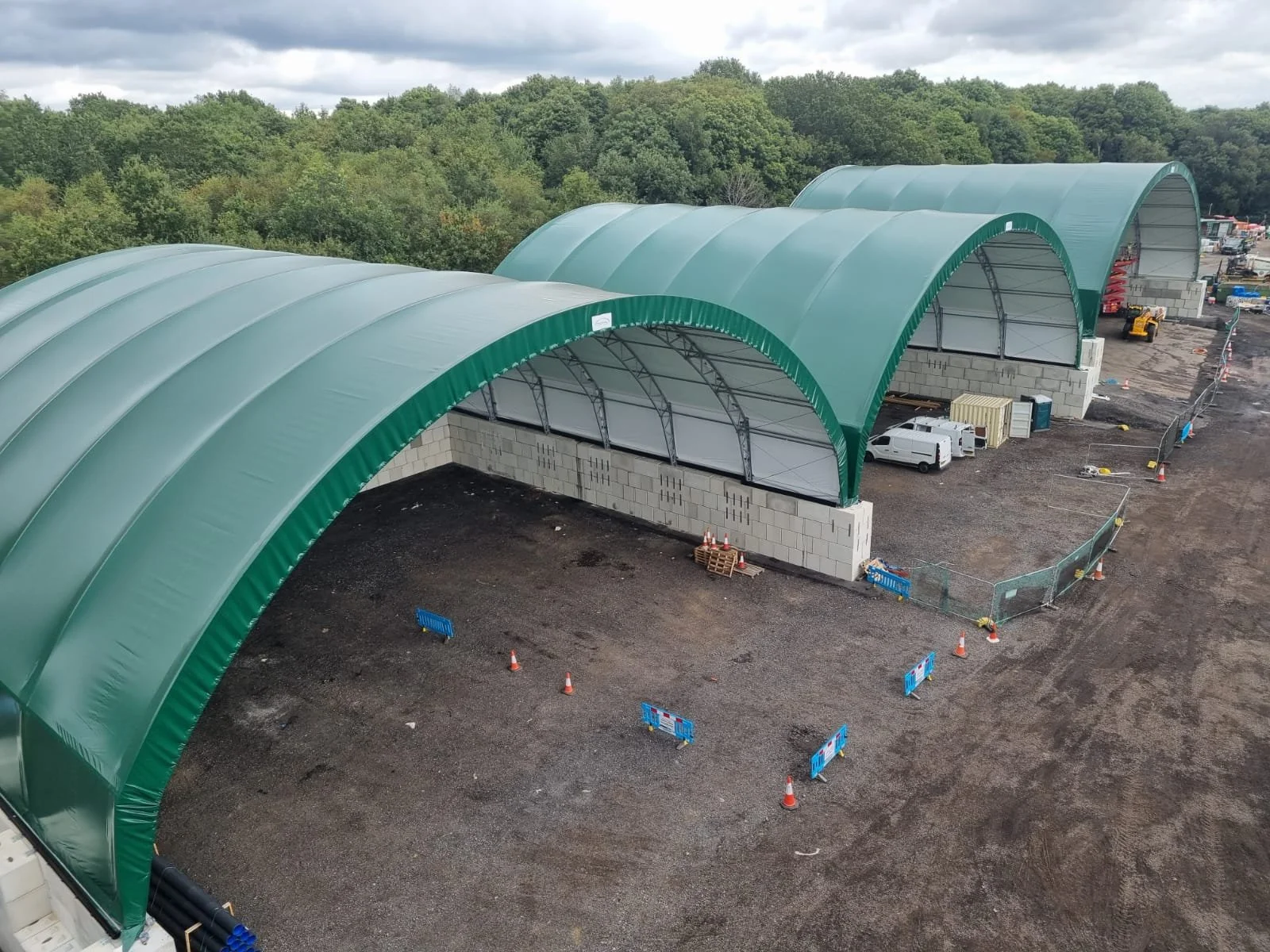
Investing in a fabric structure is a significant decision, whether the building is intended for industrial storage, highways maintenance, agriculture, recycling, bulk materials or commercial operations. While many fabric buildings may appear similar at first glance, the engineering, materials and long-term performance can vary considerably between suppliers.
Understanding the key factors involved will help ensure your investment delivers durability, reliability and long-term value.
Structural Engineering and Design
One of the most important considerations is the structural engineering behind the building. A properly engineered structure should be designed specifically for the site location, taking into account local wind speeds, snow loads, rainfall and operational requirements.
It is important to confirm:
the structure has been designed to relevant building standards;
calculations are site-specific;
drawings are certified by qualified engineers; and
the building can satisfy local authority and insurance requirements.
A lower initial price may sometimes exclude engineering or certification costs, which can lead to unexpected expenses later in the project.
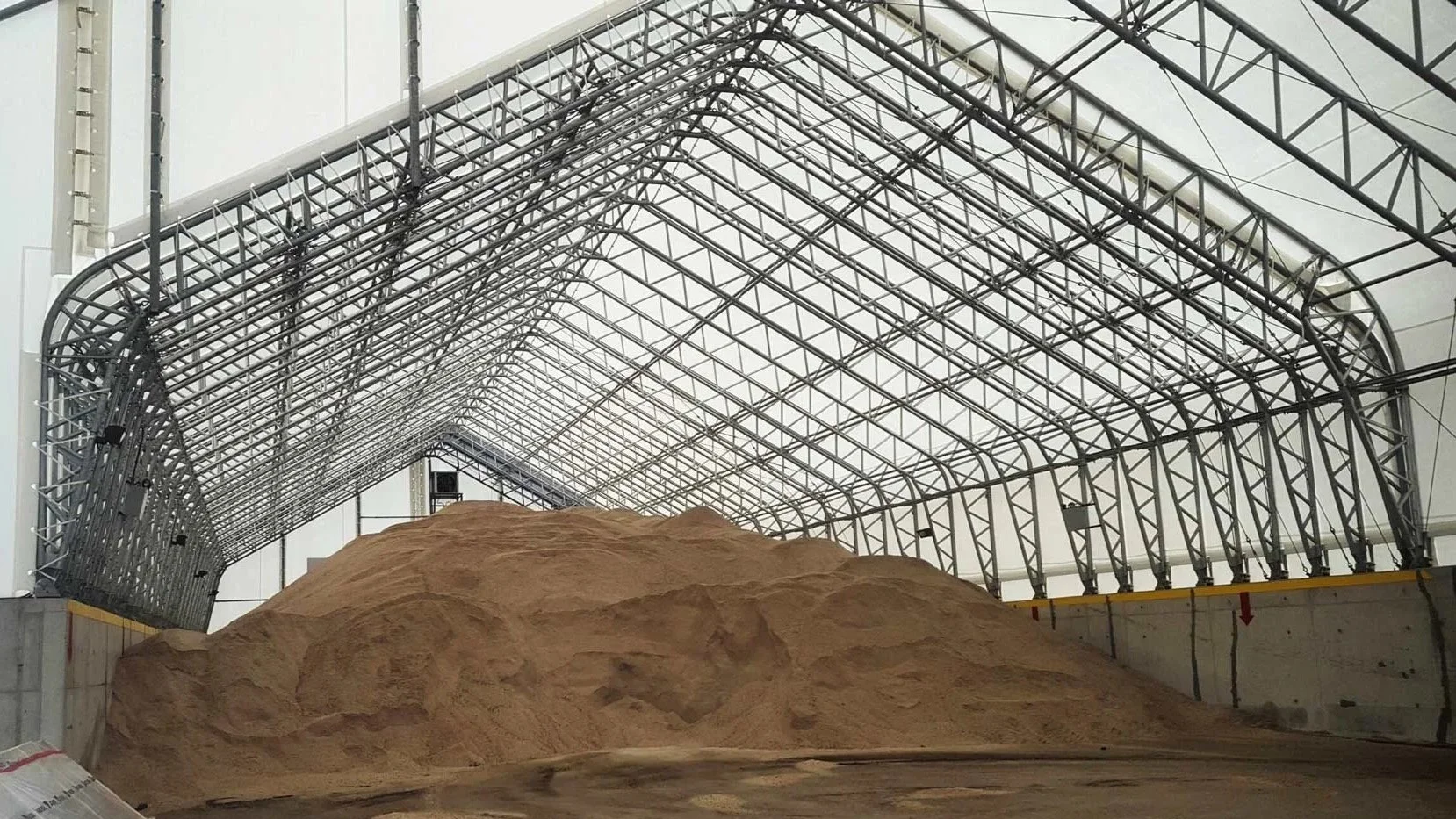
Steel Frame Quality
The steel framework forms the backbone of any fabric structure. Buyers should consider:
truss depth and steel weight;
galvanising specification;
purlin and bracing systems;
corrosion resistance; and
overall rigidity of the structure.
Heavier-duty frames generally provide improved resistance to wind, snow and operational loading, particularly in demanding environments such as salt storage or waste handling.
For corrosive applications, post-production hot dip galvanising is often preferred as it protects welded areas and internal steel surfaces more effectively.

Fabric Membrane Performance
The fabric cover itself plays a major role in building longevity and operational performance. Important considerations include:
UV resistance;
tear strength;
fire ratings;
expected design life;
light transmission; and
suitability for the intended environment.
Different fabric types perform differently depending on the application. High-performance membranes can provide excellent durability, natural light transmission and reduced maintenance over the long term.
Whole Project Cost
When comparing quotations, it is important to assess the complete project cost rather than simply the building package itself.
A typical project may include:
groundworks;
foundations or retaining walls;
drainage;
installation;
planning;
engineering;
transport; and
ancillary works.
A lower building cost does not always result in a lower overall project cost if additional groundwork or installation requirements arise later.
Ground Conditions and Foundations
Ground conditions can significantly influence foundation and slab design. Until ground investigations and engineering reviews are completed, any preliminary slab or retaining wall proposals should generally be considered budgetary only.
Potential factors affecting final costs include:
poor bearing capacities;
contamination;
buried obstructions;
groundwater;
piling requirements;
drainage provisions; and
ground improvement works.
Early site investigations can help reduce risk and improve cost certainty before construction begins.
Build Speed and Operational Benefits
Fabric structures are often selected because of their rapid installation programmes compared with traditional construction methods. Depending on the size and complexity of the project, installation can often be completed significantly faster than conventional steel or masonry buildings.
Additional operational benefits can include:
large clear spans;
excellent ventilation;
reduced internal condensation;
high natural daylight levels; and
future extendability.
These advantages can make fabric structures particularly well suited for storage, fleet operations and industrial environments.
Warranty and Supplier Support
Long-term supplier support is another important consideration. Buyers should review:
warranty duration;
membrane warranty terms;
engineering support;
installation experience;
maintenance guidance; and
availability of replacement components.
A reputable supplier should also be able to demonstrate previous project experience within similar sectors and environments.
Long-Term Value
A fabric structure should be viewed as a long-term operational asset rather than simply a short-term cost decision. Engineering quality, material specification and supplier experience can all influence:
building lifespan;
maintenance costs;
insurability;
operational efficiency; and
future adaptability.
Careful consideration at the procurement stage can help ensure the finished structure performs reliably for many years while delivering strong overall value.
